What Kind of Doctor Do You See for Diabetic Neuropathy?
 By June Harlow · Published October 28, 2026 · 5 min read
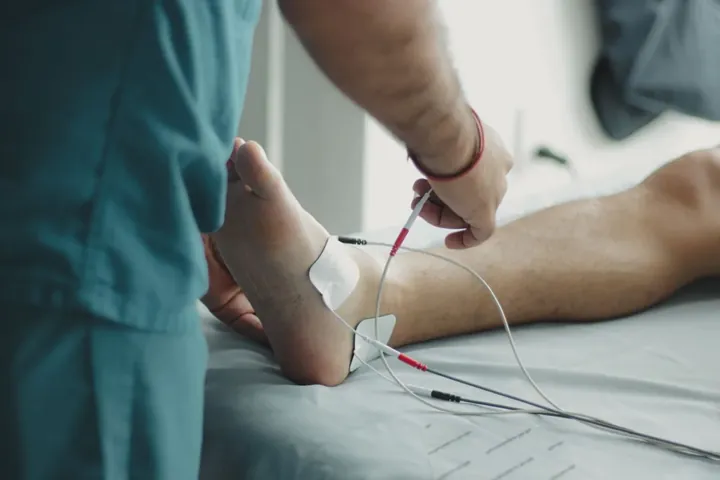
When my feet started burning, I didn't know who to call. My family doctor? A foot doctor? A nerve specialist?
I ended up seeing three of them over two years. If I'd known then how they fit together, I'd have saved myself some time and a few copays.
Start with your primary care doctor, who can test for the common causes and treat pain. A podiatrist cares for your feet and catches problems you can't feel. A neurologist sees you if the cause is unclear, symptoms change fast or you have weakness. An endocrinologist helps if your diabetes is hard to control.
Who does what
| Doctor | What they do for neuropathy | When to see them |
|---|---|---|
| Primary care | First tests, pain treatment, referrals | First, and for ongoing care |
| Podiatrist (foot doctor) | Foot exams, nail and skin care, wounds, shoes | Numb feet, any sore or callus, at least yearly |
| Neurologist | Nerve testing, unusual or fast changing neuropathy | Unclear cause, weakness, symptoms moving fast or on one side |
| Endocrinologist | Diabetes and thyroid care | Blood sugar that's hard to control |
Your primary care doctor: where to start
For most people, the family doctor is the right first stop. They can:
- Order blood tests for the common causes, like A1C, B12 and thyroid
- Do a basic foot and nerve exam
- Start treatment for nerve pain
- Refer you to the right specialist
If you have diabetes, the American Diabetes Association's 2026 guidelines say everyone with diabetes should be checked for neuropathy at least once a year, including a simple test with a thin nylon thread called a 10-gram monofilament. If you've never had it, ask.
What kind of doctor treats neuropathy in your feet?
A podiatrist is the foot specialist. They don't usually treat the nerve damage itself, but they protect the feet it affects.
They check for spots where you're losing feeling, trim nails safely, treat calluses and corns, catch small wounds early and advise on shoes and socks. If you have numb feet, a yearly podiatry visit is one of the best investments you can make.
When to see a neurologist
A neurologist specializes in nerves. You may be referred if:
- No cause has been found after the first tests
- Symptoms are getting worse quickly
- You have weakness, trouble walking or frequent tripping
- Symptoms are on one side only
- It started in your hands before your feet
They may do nerve tests, like a nerve conduction study and an EMG. These measure how well your nerves carry signals. They're a bit uncomfortable, but short.
What kind of doctor treats neuropathy in hands and legs?
The same team. Your primary care doctor starts, and a neurologist is the specialist for nerves anywhere in the body. If the hands are affected first, or only one hand, a neurologist visit is more likely, because pressure on a nerve at the wrist or neck can be the cause.
When an endocrinologist helps
An endocrinologist treats diabetes and hormone problems, including the thyroid. If your blood sugar is hard to keep in range, they can fine-tune your treatment. Steadier blood sugar is one of the few things shown to slow diabetic neuropathy, so this is real nerve care too.
What to bring to your appointment
This is where my notebook earns its keep. Bring:
- A list of symptoms: where, what they feel like, when they're worse
- Every medicine and supplement you take, with doses (B6 matters)
- Your recent blood sugar numbers or A1C, if you have diabetes
- Your questions, written down
A short, specific list gets you more out of a 15 minute visit than a long story.
Questions worth asking
- What do you think is causing this?
- Has my B12 been checked? Thyroid? A1C?
- Do I need a podiatrist or neurologist?
- What are my options for the pain, including creams?
- Is it safe for me to try a supplement, like alpha lipoic acid?
- What signs mean I should call you right away?
If alpha lipoic acid is on your list, the formula I'd bring up, built around it, is in my NervoLyn review. Print the label and take it with you.
When not to wait for an appointment
Get care quickly for:
- A foot wound that isn't healing, or redness, warmth or swelling in the foot
- Sudden weakness or numbness
- Symptoms spreading quickly over days or weeks
My first visit, I said "my feet hurt at night" and not much else. I left with a prescription and no tests.
The second time I brought a page from my notebook: when it hurt, what it felt like, what I'd tried and every bottle in my cabinet. That visit got me a B12 test and a podiatry referral. Same doctor, different patient.
- Can you have neuropathy without diabetes?The causes and tests.
- Is there anything better than gabapentin?Treatment options to discuss.
- Do any supplements help with neuropathy?What to ask about.
Frequently asked questions
What kind of doctor do you see for diabetic neuropathy?
Start with your primary care doctor. A podiatrist cares for your feet, a neurologist helps if the cause is unclear or symptoms change fast, and an endocrinologist helps with blood sugar control.
What kind of doctor treats neuropathy in feet?
A podiatrist treats and protects the feet, and a neurologist treats nerve problems. Most people start with their primary care doctor, who coordinates both.
Should I see a neurologist or podiatrist for neuropathy?
Often both, for different reasons. The podiatrist protects your feet. The neurologist investigates and treats the nerves, especially if the cause isn't clear.
What tests do doctors do for neuropathy?
Blood tests like A1C, B12 and thyroid, a foot exam with a monofilament, vibration and temperature checks, and sometimes nerve conduction studies and an EMG.
How often should neuropathy be checked?
The American Diabetes Association recommends that people with diabetes be checked for neuropathy at least once a year, including a monofilament foot test.
What kind of doctor treats neuropathy in hands?
Your primary care doctor first, then usually a neurologist, especially if the hands are affected before the feet or on one side only.
I've lived with diabetic neuropathy in my feet since I was 58. I'm a retired school librarian from Ohio, not a doctor or a nurse. I read the research so you don't have to, and I write down what I try. This site is for information, not medical advice. More about me