Does Neuropathy Cause Cold Feet?
 By June Harlow · Published November 9, 2026 · 5 min read
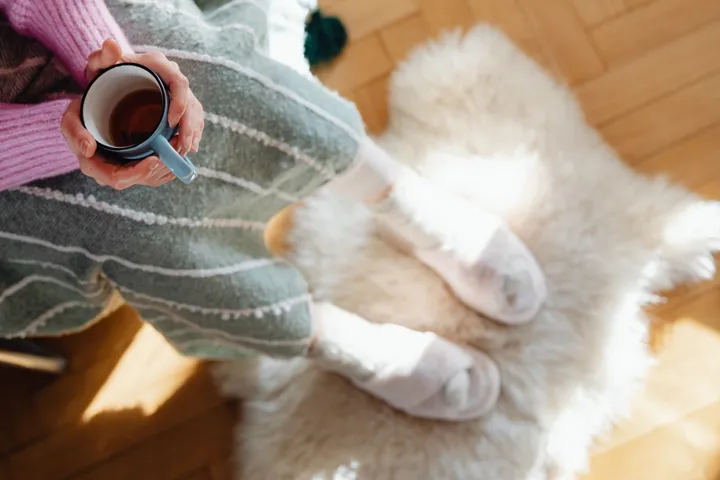
My husband used to joke that I had ice blocks for feet. The strange part was that when he touched them, they weren't cold at all. They just felt cold to me, from the inside.
That was one of the early signs of my neuropathy, and it's one of the most common questions I get in winter. Here's why it happens, why cold weather makes nerve pain worse and how to warm your feet without hurting them.
Yes. Neuropathy can make your feet feel cold even when they're warm to the touch, because damaged nerves send the wrong temperature signals. Feet that are truly cold can also point to poor circulation, which is worth checking. Cold weather tends to make nerve pain worse. Wear socks to bed, but never use a heating pad or hot water bottle on numb feet.
Two kinds of cold feet
This is the part that confused me for a long time, so let me separate them.
Feet that feel cold but aren't. The small nerves that sense temperature can misfire when they're damaged. Your brain gets a "cold" message from feet that are actually a normal temperature. This is the neuropathy kind.
Feet that are actually cold. If your feet are cold to someone else's touch, pale or bluish, the cause may be blood flow, not nerves. Poor circulation in the legs is common with diabetes, and it often travels together with neuropathy.
You can have one, the other or both. A doctor can tell them apart in a few minutes by feeling the pulses in your feet, which is part of the yearly diabetes foot exam.
Why neuropathy makes your feet feel cold
Healthy nerves send accurate reports: warm, cold, rough, smooth. Damaged nerves get noisy. Some people feel burning when nothing is hot. Others, like me, feel cold when nothing is cold. Many people feel both, at different times.
It's the same nerve damage behind the tingling and the pins and needles. Cold is just the message those nerves happen to be sending.
Does cold weather make neuropathy worse?
For most people, yes. A neurologist at Mass General Brigham put it plainly: cold worsens most types of neuropathy pain, and a cold bedroom can make nerve pain flare up at night.
That matches my notebook exactly. My worst stretch every year starts in November.
If you've noticed your feet getting worse as the weather turns, you're not imagining it.
Cold feet at night
Night tends to be the hardest. You're lying still, your body temperature drops and the bedroom cools off. Nerve symptoms also build through the day, which I explain in why neuropathy pain is worse at night.
A tip that sounds backward: if your feet burn at night, a cooler room helps. If they feel cold and achy, a warmer room usually helps more. Notice which kind of night you're having.
How to warm your feet safely
This is the most important section, because neuropathy can keep you from feeling a burn.
The NIDDK's foot-care advice for people with diabetes is simple: wear socks to bed if your feet get cold, and don't put a hot water bottle or heating pad on your feet. With numb feet, you may not feel heat that's hot enough to burn.
What I do instead:
- Socks to bed. Soft, seamless, not tight at the top. Wool blends are warm without being bulky.
- Warm the bed, not the feet. Warm the room a little or add a blanket, rather than putting heat directly on your feet.
- Move before bed. A short walk or a few minutes of ankle circles gets blood moving.
- Warm slippers around the house, so your feet never sit on cold floors.
- Test any water with a thermometer or your elbow, never your feet.
Cold feet treatment: what helps the nerves
Warming tricks help the moment. For the nerves themselves:
- Steady blood sugar slows diabetic nerve damage over time.
- Daily walking helps both circulation and nerve function. I wrote about exercises for neuropathy in your feet.
- Supplements with research, like alpha lipoic acid, may ease symptoms. I graded them in do any supplements help with neuropathy? The formula I'd try first is in my NervoLyn review.
Every October I write "socks out" at the top of a page. It's my reminder to switch to my wool-blend bed socks, turn the thermostat up two degrees at night and put the slippers back by the bed.
My husband stopped joking about the ice blocks once I explained they only felt cold to me. He still checks the bath water for me, though, and I let him.
- Why is neuropathy pain worse at night?And how to sleep anyway.
- Can socks help neuropathy?What kind of socks work for cold, numb feet.
- Do any supplements help with neuropathy?What has research behind it.
One safety line: feet that are pale, bluish or cold to the touch, or a sore that won't heal, need a doctor soon.
Frequently asked questions
Does neuropathy cause cold feet?
Yes. Damaged nerves can send the wrong temperature signals, so your feet feel cold even when they're warm to the touch. Feet that are truly cold can also point to poor circulation.
Is cold feet a sign of neuropathy?
It can be. Feeling cold in feet that are warm to the touch is a common neuropathy symptom. If your feet are actually cold, pale or bluish, ask your doctor to check your circulation.
Does cold weather affect neuropathy?
For most people, yes. Cold tends to make nerve pain worse, and a cold bedroom can make it flare at night.
What helps neuropathy cold feet at night?
Wear soft socks to bed, warm the room a little, take a short walk before bed and keep slippers by the bed. Don't put a heating pad or hot water bottle on your feet.
Can I use a heating pad for neuropathy cold feet?
Foot-care guidance for people with diabetes says no. With numb feet, you may not feel heat that's hot enough to burn. Socks and a warmer room are safer.
Why do my feet feel cold but are warm to the touch?
That's usually the nerves, not the blood flow. Damaged temperature nerves can send a "cold" signal from feet that are actually a normal temperature.
I've lived with diabetic neuropathy in my feet since I was 58. I'm a retired school librarian from Ohio, not a doctor or a nurse. I read the research so you don't have to, and I write down what I try. This site is for information, not medical advice. More about me