What Are the First Signs of Neuropathy in Your Feet?
 By June Harlow · Published November 23, 2026 · 5 min read
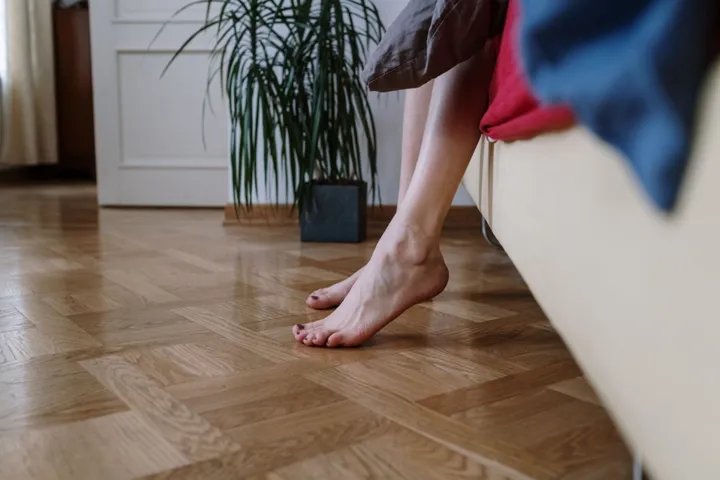
My first sign wasn't pain. It was my socks.
I kept thinking they were bunched up under my toes. I'd take my shoe off, smooth the sock, put the shoe back on, and the feeling would still be there. That went on for months before anything hurt.
Neuropathy usually starts quietly like that. Here are the early signs, how it tends to spread, and what to do if you recognize yourself.
The first signs of neuropathy usually start in the toes and soles of the feet: tingling or pins and needles, burning (often worse at night), numbness, or feeling like your sock is bunched up or you're walking on pebbles. It typically starts in both feet and slowly moves upward. A blood test and a simple foot exam can tell you more.
The most common first symptoms
These are the early signs people describe most. You may have one or several.
- Tingling or pins and needles in the toes, like your foot is waking up from falling asleep
- Burning on the soles or toes, often worse when you get into bed
- Numbness, or feeling like your feet are "wrapped" or wearing thick socks
- The bunched-up sock feeling, even with nothing there
- Walking on pebbles or cotton, a lumpy or padded feeling under the feet
- Sharp, electric zaps that come and go
- Feet that feel cold to you but not to the touch
- Extra sensitivity, where even the sheet on your toes is uncomfortable
Where it starts and how it spreads
Neuropathy usually affects the longest nerves first, and the longest nerves in your body run to your toes. That's why it nearly always starts there.
Over time, it tends to move slowly upward toward the ankles and calves. Doctors sometimes call this a "stocking" pattern, because it covers the area a sock would. Later, it can show up in the fingertips too.
Typically both feet are affected about the same. Symptoms in only one foot or one leg usually point to something else, like a pinched nerve, and are worth getting checked.
Early signs in the toes
The toes are where most people notice it first. Early toe signs include:
- Tingling or numbness in the tips of the toes
- Not feeling a stubbed toe as much as you'd expect
- Not noticing a pebble in your shoe
- Toes that feel cold or "dead" at night
Symptoms in the feet and legs
As it moves up, people describe:
- Burning or aching in the soles and ankles
- Calf cramps, especially at night
- Feeling unsteady, particularly in the dark or on uneven ground
- Weakness lifting the front of the foot, in more advanced cases
Can neuropathy come on suddenly?
The common kind, from diabetes or prediabetes, usually comes on slowly over months or years.
Symptoms that appear suddenly, spread quickly over days or weeks, or come with real weakness are different. That needs a doctor soon.
Can you lose your feet from neuropathy?
This is a fear I hear a lot, so it deserves a straight answer.
Neuropathy itself doesn't cause amputation. The risk comes from injuries you don't feel. A blister, a cut or a small sore on a numb foot can get infected without you noticing, and in people with diabetes, those wounds heal slowly.
The protection is simple and it works: look at your feet every day, wear shoes that fit, and get any sore that isn't healing seen quickly.
What causes it
Diabetes is the most common cause, and prediabetes can start it too. Other causes include low vitamin B12, too much vitamin B6 from supplements, heavy drinking, some medicines and an underactive thyroid. In some people, no cause is found.
I wrote about the non-diabetes causes in can you have foot neuropathy without diabetes?
What to do if you recognize these signs
- Ask for a blood test. A1C or fasting blood sugar, vitamin B12 and thyroid answer most of the question.
- Ask for a foot exam. If you have diabetes, the American Diabetes Association recommends a simple test with a thin nylon thread, called a monofilament, every year.
- Start checking your feet daily. It takes a minute.
- Keep notes. When it happens, what it feels like, what helps.
And while you sort out the cause, there are things that help the symptoms. My graded lists are in natural home remedies for neuropathy and do any supplements help with neuropathy? If you're early, the formula I'd try first is in my NervoLyn review.
My first notebook page about my feet says "socks bunched, right foot, 3 days in a row." A month later the same line had "both feet" written next to it.
Looking back, that was the stage where paying attention would have helped most. If you're at the bunched-sock stage right now, you're early. That's the best place to start.
- Why do my feet tingle only at night?If nights are when you notice it most.
- Can prediabetes cause neuropathy?If your blood sugar is "almost" normal.
- Do any supplements help with neuropathy?What has research behind it.
One safety line: symptoms that start suddenly, real weakness, a sore that won't heal or symptoms in one leg only need a doctor soon.
Frequently asked questions
What is usually the first symptom of neuropathy?
Tingling or pins and needles in the toes is the most common first sign. Burning, numbness or a bunched-up sock feeling are also common early symptoms.
What are the early signs of neuropathy in the toes?
Tingling or numbness in the toe tips, not feeling a stubbed toe or a pebble in your shoe, and toes that feel cold or "dead," especially at night.
Does neuropathy start in both feet?
The common kind usually starts in both feet at about the same time and slowly moves upward. Symptoms in only one foot often have a different cause and are worth checking.
Can neuropathy come on suddenly?
Neuropathy from diabetes usually develops slowly. Symptoms that start suddenly or spread quickly need a doctor soon.
Can you lose your feet from neuropathy?
Neuropathy itself doesn't cause amputation. The risk comes from injuries you don't feel that get infected. Daily foot checks and well fitting shoes are the best protection.
What does neuropathy feel like in the feet and hands?
Tingling, burning, numbness, pins and needles or electric zaps. In the hands it often feels like wearing gloves or fingers that are "asleep."
I've lived with diabetic neuropathy in my feet since I was 58. I'm a retired school librarian from Ohio, not a doctor or a nurse. I read the research so you don't have to, and I write down what I try. This site is for information, not medical advice. More about me