Does Soaking Your Feet Help Neuropathy?
 By June Harlow · Published November 11, 2026 · 5 min read
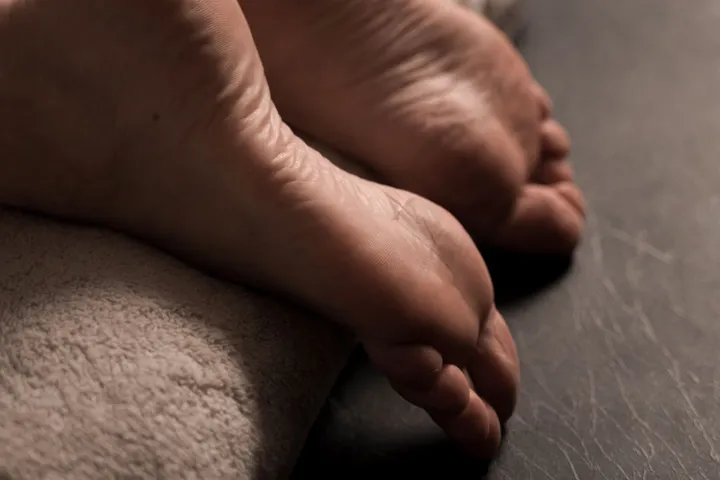
A bowl of warm water with Epsom salt was the first thing I tried for my burning feet. It felt wonderful for about twenty minutes.
Then I learned something that changed how I do it, and I wish someone had told me sooner. If you have diabetes, the experts say not to soak your feet at all. Here's why, what Epsom salt really does, and what I do instead.
Warm water can bring short comfort to neuropathy feet, but it doesn't treat the nerves. If you have diabetes, the NIDDK advises against soaking your feet because it dries the skin, and dry skin cracks. Epsom salt's magnesium doesn't get through the skin in any meaningful amount. A quick warm wash at 90 to 95°F gives you the comfort without the risk.
Why a soak feels good
Warm water relaxes tight muscles, and warmth can calm nerve signals for a while. Sitting still with your feet in a basin is also a moment of rest at the end of the day, and rest helps pain.
So the relief is real. It's just short, and it doesn't change the nerves themselves.
Why diabetes changes the answer
The National Institute of Diabetes and Digestive and Kidney Diseases (NIDDK) gives clear foot-care advice for people with diabetes: wash your feet every day in warm, not hot, water, and don't soak them, because your skin will get too dry.
Dry skin cracks. A crack on a numb foot can let in an infection you don't feel. That's the real reason, and once I understood it, I changed my routine.
The burn risk nobody mentions
Neuropathy can keep you from feeling how hot water really is. Water that feels just warm to numb feet can be hot enough to burn.
The NIDDK's tip: test the water with a thermometer (90 to 95°F is safe) or with your elbow, never with your feet. I keep a cheap bath thermometer next to the tub for exactly this.
Does Epsom salt help neuropathy?
Epsom salt is magnesium sulfate, and the idea is that magnesium soaks in through the skin and calms the nerves.
Unfortunately, the evidence isn't there. A 2017 review in the journal Nutrients looked at whether magnesium gets absorbed through the skin and concluded the idea is scientifically unsupported. The skin is built to keep things out.
If you like the feel of an Epsom bath and you don't have diabetes, it's fine to enjoy it. Just don't expect the salt to reach your nerves. If magnesium interests you, a 2024 trial found that magnesium taken by mouth eased neuropathy symptoms in eight weeks, which I cover in do any supplements help with neuropathy?
What about vinegar, essential oils or baking soda?
I found no real studies showing any of them help neuropathy. Lavender oil might help you relax, and relaxing helps sleep. That's about where the evidence ends.
What I do instead of soaking
This is my routine now, and it gives me the warmth without the worry.
- A quick warm wash, not a soak. A minute or two, water tested at 90 to 95°F.
- Dry well, especially between the toes.
- Lotion on the tops and bottoms of my feet, but not between the toes, where moisture invites infection.
- Clean, dry socks, seamless if I can find them.
- A look at my feet while I'm at it, for any blister, cut or red spot.
For the burning itself, other things have done more for me than water ever did: walking after dinner, keeping the sheets off my toes at night and a supplement with research behind it. I graded all of them in natural home remedies for neuropathy. The supplement I'd try first, with alpha lipoic acid and magnesium in one capsule, is in my NervoLyn review.
If you don't have diabetes
If your neuropathy isn't from diabetes and your skin isn't fragile, a short warm soak is generally fine. Keep it short, test the water first, and moisturize afterward. Skip it if you have any open sore.
I used to soak every night for twenty minutes, and I wrote "feet felt better" every time. Then I noticed the cracks on my heels getting deeper.
When I switched to a quick wash and lotion, the cracks healed in a few weeks. My nights didn't get worse. The relief I'd been getting was from the warmth and the rest, and I still get both.
- Natural home remedies for neuropathyWhat helps at home, graded.
- Why is neuropathy pain worse at night?And how to sleep anyway.
- Do any supplements help with neuropathy?Including what magnesium can and can't do.
One safety line: a crack, blister or sore on your foot that isn't healing, or redness and warmth that spreads, needs a doctor soon.
Frequently asked questions
Does soaking your feet help neuropathy?
Warm water can bring short comfort, but it doesn't treat the nerves. If you have diabetes, foot-care experts advise against soaking because it dries the skin. A quick warm wash is safer.
What do you soak your feet in for neuropathy?
If you don't have diabetes, plain warm water tested at 90 to 95°F is fine for a short soak. If you have diabetes, skip the soak and do a quick warm wash instead, then dry and moisturize.
Does Epsom salt help neuropathy in the feet?
There's little evidence. A 2017 review found that the idea of magnesium being absorbed through the skin is scientifically unsupported. The warmth may feel good, but the salt isn't reaching your nerves.
Is soaking feet bad for diabetics?
The NIDDK advises people with diabetes not to soak their feet, because it dries the skin and can lead to cracks and infection. Wash in warm water instead.
What water temperature is safe for neuropathy feet?
90 to 95°F, tested with a thermometer or your elbow, never your feet. Neuropathy can keep you from feeling water that's too hot.
Does soaking feet help with numbness?
It may make your feet feel more comfortable for a while, but it doesn't bring back feeling. Daily foot checks matter more when your feet are numb.
I've lived with diabetic neuropathy in my feet since I was 58. I'm a retired school librarian from Ohio, not a doctor or a nurse. I read the research so you don't have to, and I write down what I try. This site is for information, not medical advice. More about me